
Key Factors for Evaluating Pet Boarding Safety
Assessing supervision, staff ratios, and emergency readiness ensures your pet’s well-being during boarding.
Continuous on-site supervision
Low staff-to-pet ratios
Clear emergency response plans
Separate areas for different temperaments
Regular health and vaccination checks
Transparent communication protocols
Clear contracts and policies help prevent surprises and ensure your pet’s care aligns with your expectations.
Understand terms
Interpreting Contracts and Policies
Clarity
Transparency
Confidence
Mitigating Risks Through Informed Choices
Understanding Potential Risks in Pet Boarding
Pet boarding carries inherent risks such as illness transmission, stress-induced behaviors, and accidental injuries. These risks often stem from inadequate supervision, overcrowding, or unclear emergency procedures. Selecting a facility with transparent health protocols, proper staff training, and clear communication channels reduces these dangers. Evaluating how a boarding provider manages behavioral groupings and monitors pets throughout their stay is essential to prevent conflicts and ensure well-being.
Careful research and asking targeted questions about safety measures empower pet owners to minimize risks and secure quality care for their pets.
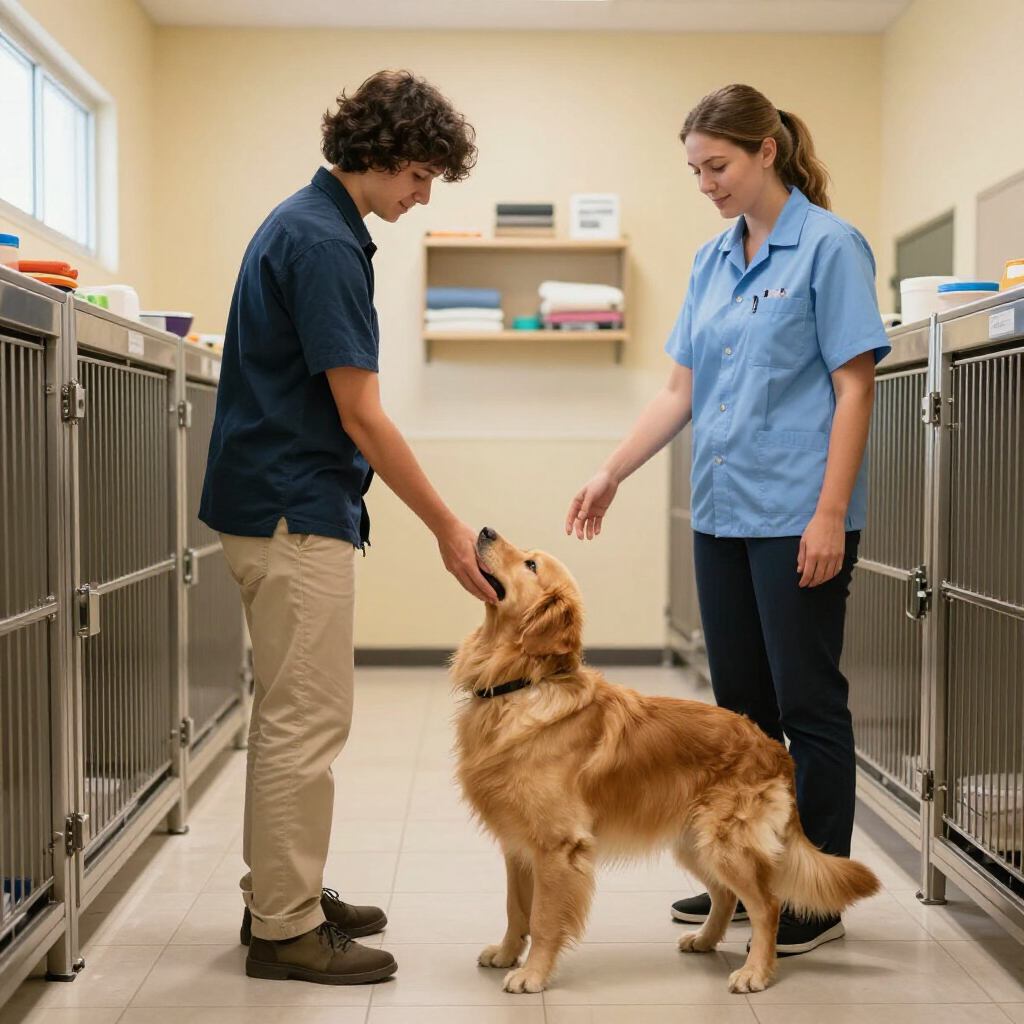
"Using Gina’s checklist made all the difference. I felt confident choosing a facility that truly prioritized my dog’s safety and comfort. The staff’s attention to detail matched everything on the list, and my dog came home happy and healthy."
Laura M., Seattle, WA

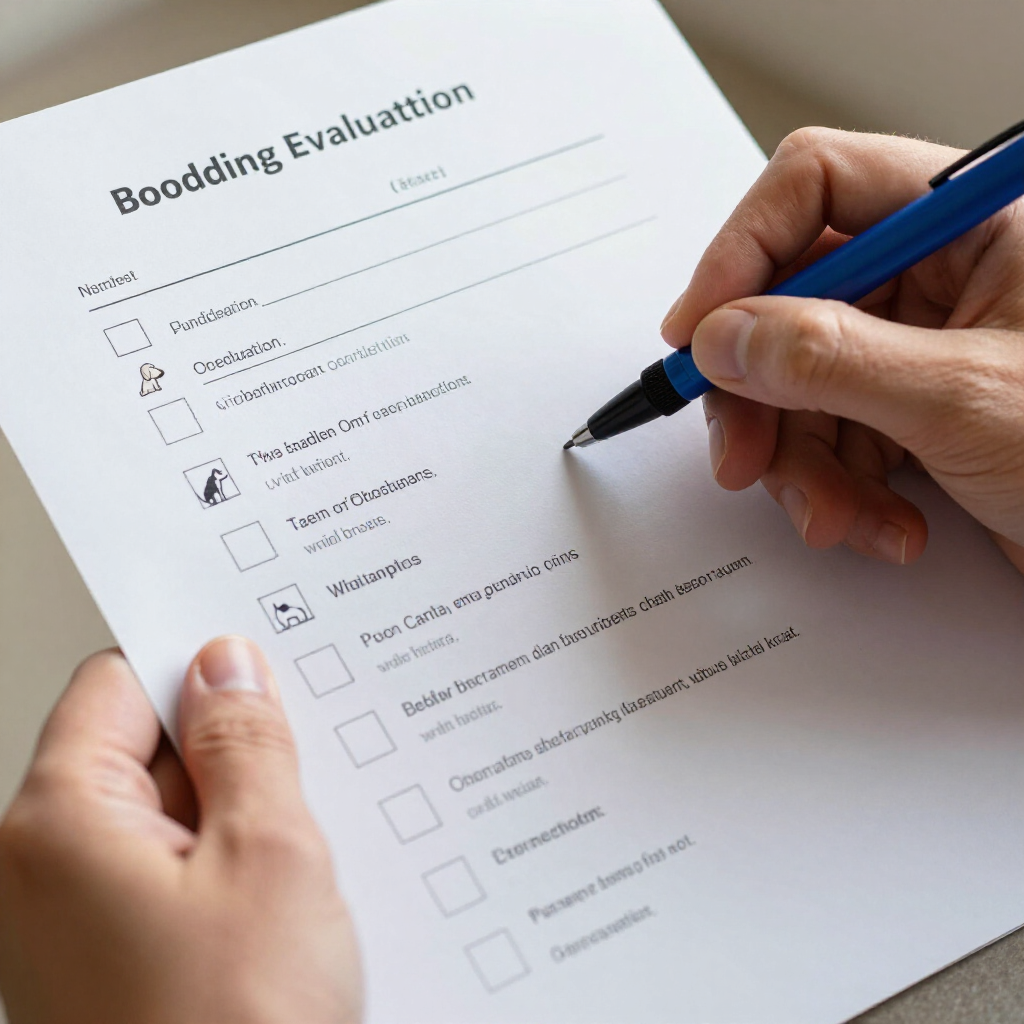

Download the essential checklist to confidently assess pet boarding facilities. Take the first step toward ensuring your pet’s safety and well-being during their stay.