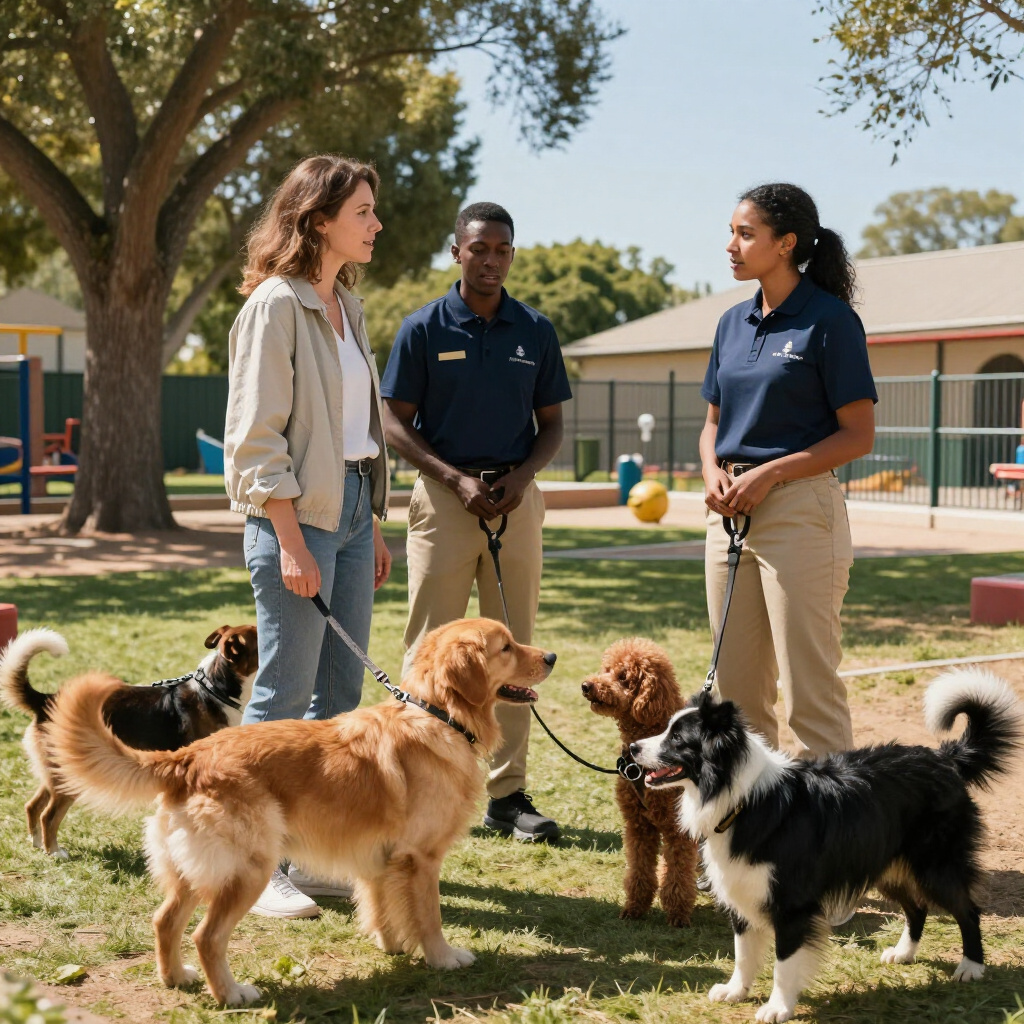
Key Principles of Safe Pet Boarding
Understanding essential safety standards helps pet owners select reliable boarding environments that prioritize animal well-being.
Understanding Pet Boarding Standards and Safety
Regulatory Compliance
Staff Training and Supervision
Facility Safety Measures
Health and Vaccination Policies
Emergency Preparedness
Transparent Communication
Choosing the Right Pet Boarding Facility: Key Considerations
01
Essential Factors for Safe Pet Boarding
Evaluate staff qualifications, facility cleanliness, and emergency protocols to ensure your pet’s well-being during their stay.
02
What to Look for in a Boarding Facility
Prioritize transparent communication, appropriate supervision ratios, and clear policies to make informed decisions about your pet’s care.
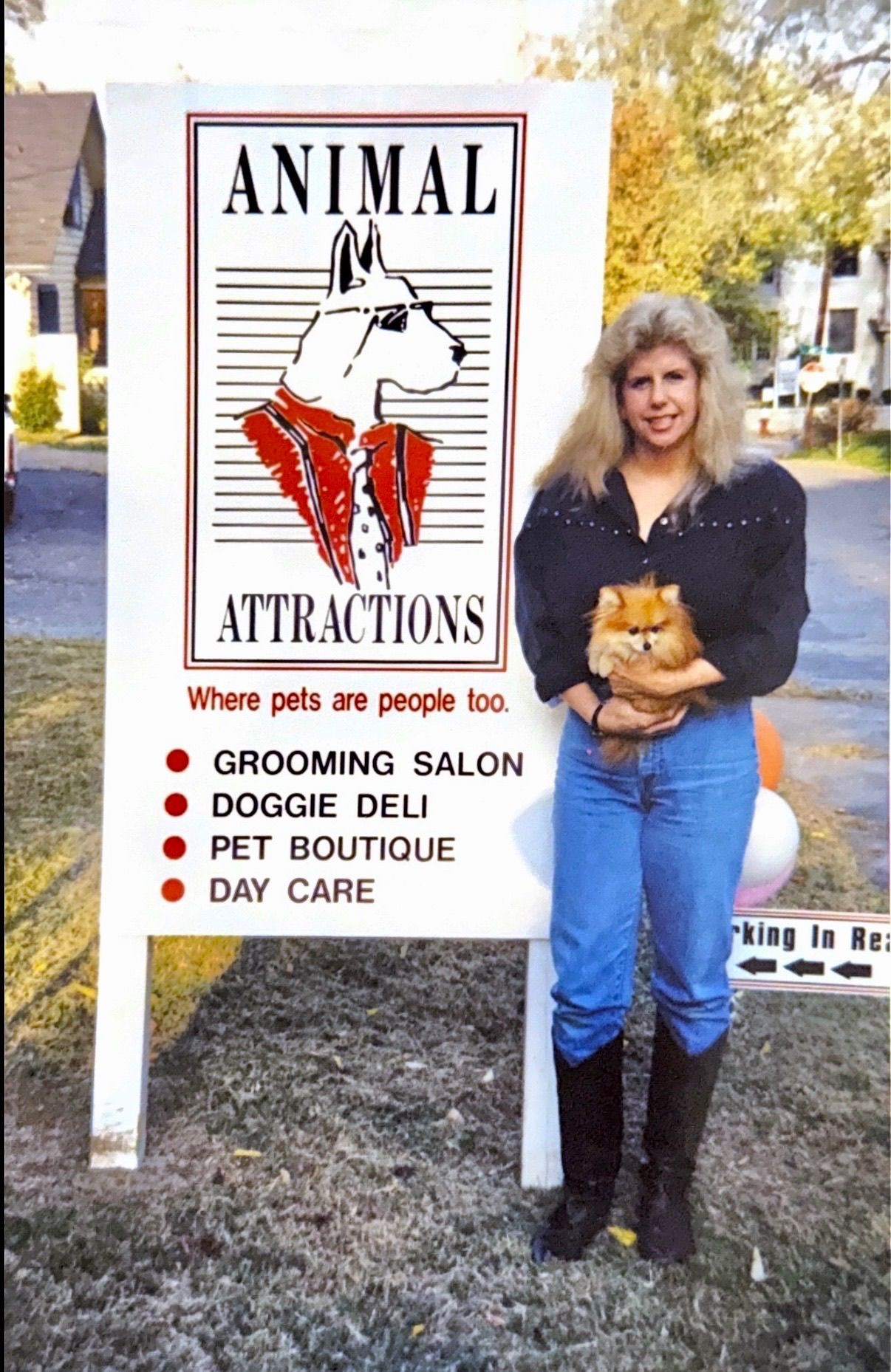
Common Questions About Pet Boarding
What safety measures should a quality boarding facility have?
Reliable facilities maintain clear supervision protocols, enforce staff-to-pet ratios, have emergency plans, and ensure secure, clean environments to protect pets at all times.
How can I verify a boarding facility’s credentials?
Check for licenses, certifications, and positive reviews. Ask about staff training, health protocols, and if the facility follows industry standards for animal care.
What questions should I ask before boarding my pet?
Inquire about supervision, emergency procedures, behavioral grouping, feeding schedules, and how they handle medical needs or special requests.
How do I prepare my pet for boarding?
Ensure vaccinations are current, pack familiar items, provide clear instructions, and discuss any behavioral concerns with the facility beforehand.
What signs indicate my pet is comfortable during boarding?
Look for relaxed behavior, regular eating, and positive updates from staff. Facilities that provide daily activity and socialization often help pets adjust better.
Real Stories from Pet Owners
Laura M.
3 weeks ago
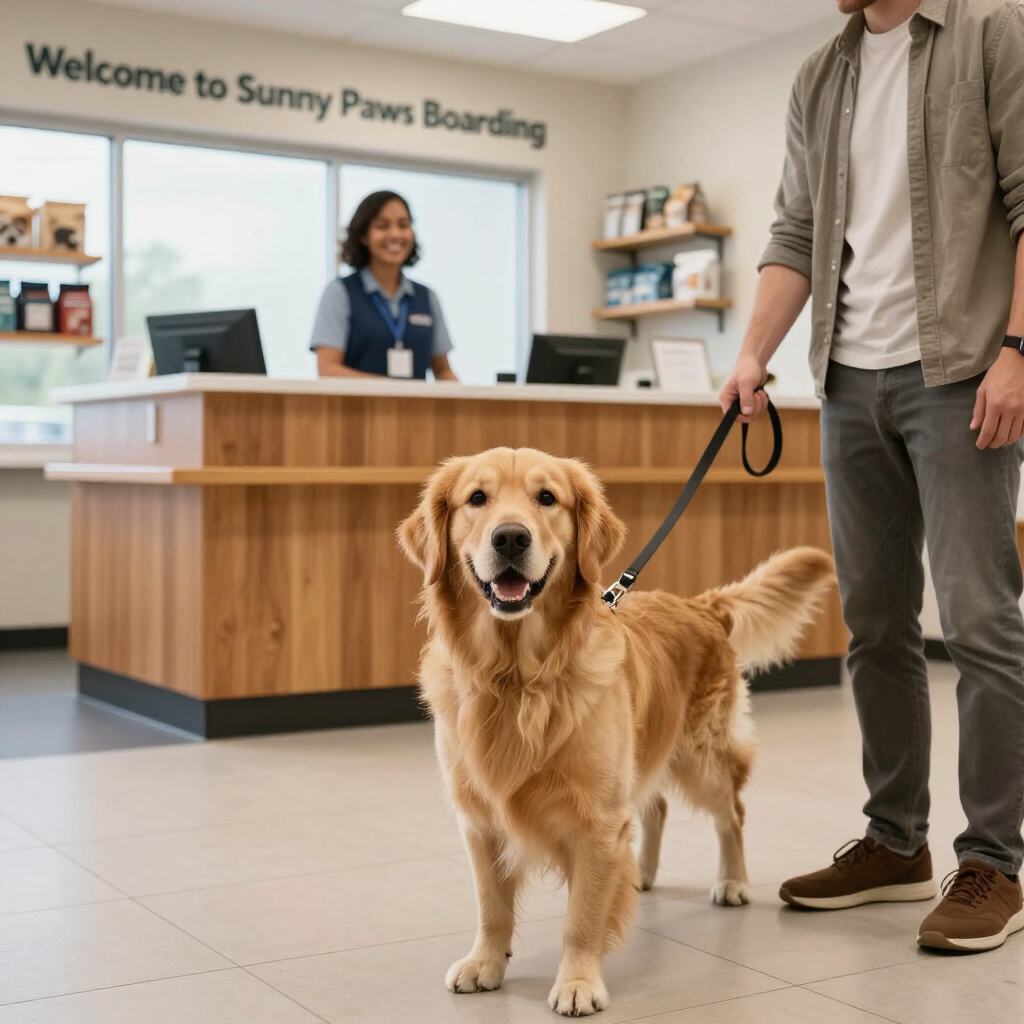
David R.
1 month ago
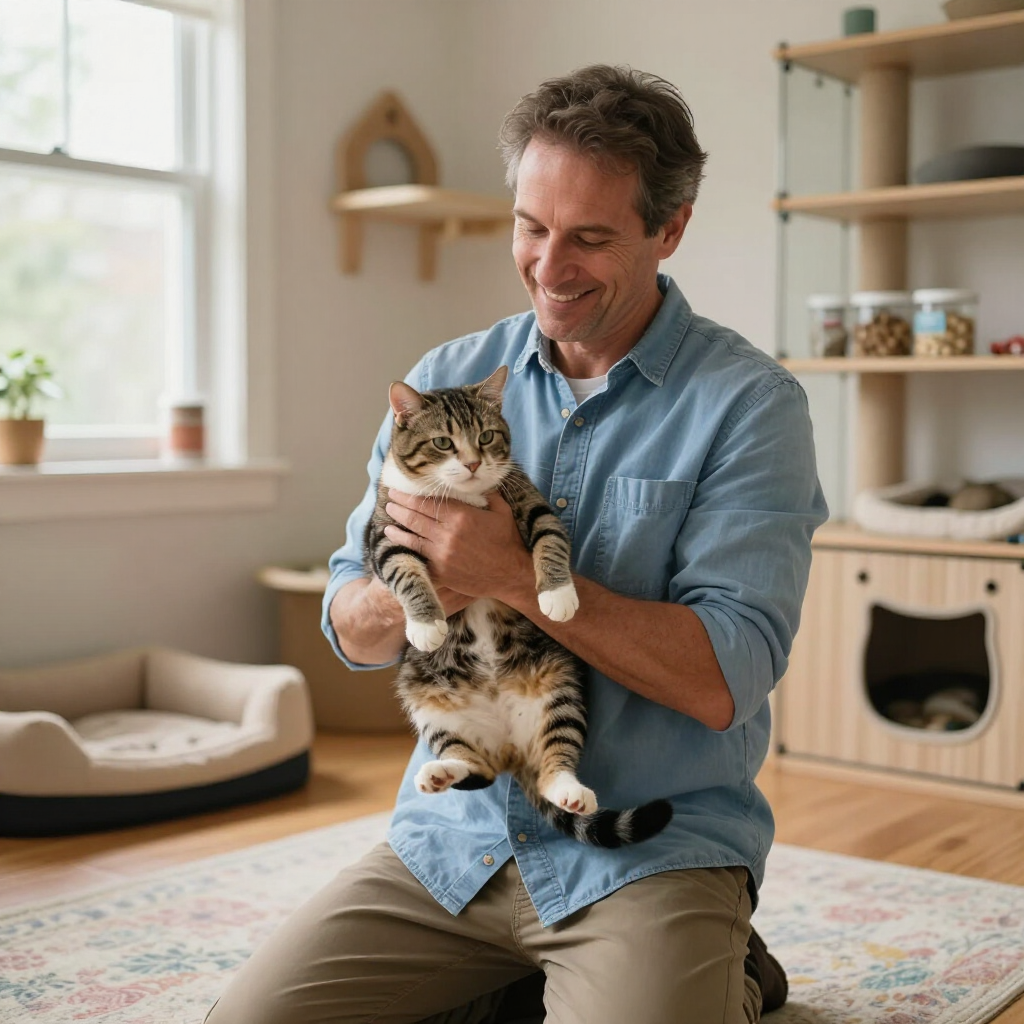
Samantha K.
2 weeks ago